

Balancing Risk and Reward in Trading: A Critical Examination
Trading is a complex dance of probabilities and outcomes, where every decision can lead to significant gains or losses. Central to this decision-making process is the concept of risk-reward ratio. While some traders swear by the necessity of evaluating risk-reward ratios, others argue that focusing solely on the highest probability trades is the key to success. Let’s delve into both perspectives to understand how they influence trading strategies and outcomes.
Understanding Probabilities in Trading
Probability in trading refers to the likelihood of a trade resulting in a profit. Traders who prioritize high-probability trades focus on setups and strategies that have historically shown a high success rate, often backed by technical analysis, historical data, and market patterns.
Why It Matters
Maximizing Success Rates:
High-probability trades are designed to maximize the likelihood of success. Traders who focus on these setups believe that consistent wins, even if smaller, contribute to long-term profitability.
Simplicity and Clarity:
By honing in on trades with a higher probability of success, traders can streamline their decision-making process, reducing the complexity and stress involved in trading.
Confidence Building
Successfully executing high-probability trades builds trader confidence, which is crucial for maintaining discipline and sticking to the trading plan.
Real-World Application
Consider a forex trader who sets a stop-loss at $50 and a take-profit at $150. The risk-reward ratio here is 1:3. If the trader wins 40% of their trades, over 10 trades, they might lose $50 on six trades ($300) but gain $150 on four trades ($600). The net profit would be $300, demonstrating how a favorable risk-reward ratio can lead to success despite a low win rate.
TP is dynamic and not fixed
An additional perspective to consider is that the size of the stop-loss (SL) is not inherently related to the take-profit (TP) target, which challenges the conventional emphasis on the risk-reward ratio. The primary purpose of a stop-loss is to protect the trade by allowing it enough room to work, accommodating normal market fluctuations, and aligning with strategic levels such as the first area of struggle or a Fibonacci retracement within a healthy trend. This means that the stop-loss should be placed based on technical analysis and the underlying market structure rather than being fixed to achieve a specific risk-reward ratio. Consequently, a fixed reward target might not always be practical or realistic, as market conditions can shift and influence the trade’s outcome. By focusing on strategically placed stop-loss levels, traders can better manage their risk while allowing their trades the necessary flexibility to reach their full potential, rather than being constrained by a predetermined reward expectation. This approach recognizes that the dynamic nature of the market requires adaptability and a more nuanced understanding of risk management.
Real-World Application
Imagine a trader who uses a specific technical setup that has an 80% win rate but offers a modest risk-reward ratio of 1:1. Over 10 trades, they might win eight trades and lose two. With each trade risking $100 for a $100 reward, they would end up with a net profit of $600 ($800 in gains minus $200 in losses).
Understanding Risk-Reward
The risk-reward ratio is a measure that compares the potential risk of a trade to its potential reward. It is calculated by dividing the amount a trader stands to lose if the price moves in the unexpected direction (risk) by the amount of profit they expect to gain if the trade is successful (reward). For instance, a risk-reward ratio of 1:3 implies that for every dollar risked, the trader expects to gain three dollars.
Why It Matters
Mitigating Losses:
By adhering to favorable risk-reward ratios, traders can ensure that their potential losses are minimized relative to their potential gains. This is crucial because even a few successful trades with a high reward can offset multiple small losses.
Consistency:
Over time, consistently trading with a favorable risk-reward ratio can lead to profitability, even if the trader’s win rate is less than 50%. This is because the rewards from winning trades outweigh the losses from losing trades.
Emotional Control:
Trading with a defined risk-reward ratio helps in maintaining emotional discipline. Traders are less likely to make impulsive decisions when they have a clear framework for evaluating trades.
Real-World Application
Consider a forex trader who sets a stop-loss at $50 and a take-profit at $150. The risk-reward ratio here is 1:3. If the trader wins 40% of their trades, over 10 trades, they might lose $50 on six trades ($300) but gain $150 on four trades ($600). The net profit would be $300, demonstrating how a favorable risk-reward ratio can lead to success despite a low win rate.
Balancing Both Approaches
While there are merits to both strategies, the most successful traders often incorporate elements of both. Here’s how you can balance risk-reward ratios with high-probability trades:
Evaluate Both Factors
Before entering a trade, assess both the probability of success and the risk-reward ratio. Aim for trades that offer a high probability of success with a favorable risk-reward ratio.
Adjust Based on Market Conditions:
In volatile markets, focusing on high-probability trades might be more prudent, while in stable conditions, emphasizing risk-reward ratios can help maximize returns.
Win Rate:
A higher win rate demonstrates that a trader can remain profitable even with a negative risk-reward ratio. However, when the win rate is at or below 50%, maintaining a positive risk-reward ratio becomes crucial to mitigate potential losses.
Conclusion
In the intricate world of trading, understanding and applying the concepts of risk-reward ratio and probability of success is crucial for long-term success. Whether you lean towards ensuring a favorable risk-reward ratio or prioritizing high-probability trades, the key is to integrate both perspectives into a cohesive strategy. By doing so, you can make informed, calculated decisions that not only maximize potential gains but also manage potential losses effectively.


The Power of Patience in Trading
How Patience can level up your Trading
In trading, where every tick of the clock can mean gains or losses, patience might seem like a luxury. However, seasoned traders understand that patience is not just a virtue but a crucial skill that can make or break success in the market. In this article, we’ll delve into two aspects of patience in trading: waiting for setups and trusting analysis.
Waiting for Setup
“Being patient is crucial in trading. Sometimes the market has wild movements, followed by slower periods where it settles down. During these calm times, it’s important not to lose the gains from the active weeks before,” emphasizes trader and analyst Dan. His words underscore the importance of resisting the urge to chase quick wins and instead waiting patiently for planned buy/sell opportunities.
One-to-one reviewer Michelle echoes this sentiment, noting that patience proves to be one of the most challenging virtues to cultivate in trading. She highlights how it contradicts our impulsive tendencies driven by the fear of missing out and the allure of quick profits. However, Michelle emphasizes that patience is a skill that can be honed through deliberate practice and experience. By prioritizing long-term objectives over immediate gains, traders can gradually develop the patience required to navigate the complexities of the market with greater composure and strategic foresight.
Founder and head analyst Seb shares his strategy for increasing patience when waiting for setups: “To increase my patience, I worked around my time management first. The best way to not overdo something is to take time away from it. So less time to overthink equals more patience.” Seb’s approach highlights the importance of maintaining balance and not letting trading consume every waking moment, thus avoiding burnout and impulsive decision-making.
Waiting for Take Profit and Trusting Analysis
Traders often face the challenge of patience not only when waiting for setups but also when waiting for their take profit (TP) levels to be reached. It’s tempting to close positions early, fearing a reversal or missing out on potential gains. However, as Seb emphasizes, placing trust in data-driven analysis can alleviate doubt and bolster confidence in sticking to the original plan.
“Trusting analysis is key,” Dan concurs. By relying on thorough analysis and strategic decision-making processes, traders can cultivate patience in holding onto positions until the predetermined TP levels are reached. This professional ethos ensures disciplined adherence to trading strategies, even in the face of market fluctuations and emotional impulses.
The Rewards of Patience
While patience may not always bring immediate gratification, its rewards are undeniable. By patiently waiting for high-probability setups and trusting in thorough analysis, traders can avoid reckless decisions driven by fear or greed. This disciplined approach not only minimizes losses during choppy market conditions but also maximizes gains during favorable trends.
In conclusion, patience is indeed a powerful asset in trading. Whether it’s waiting for setups to materialize or holding onto positions until TP levels are reached, patience allows traders to approach the market with composure, discipline, and strategic foresight. By resisting impulsive tendencies, prioritizing long-term objectives, and trusting in data-driven analysis, traders can significantly improve their chances of long-term success in the dynamic world of trading. As the saying goes, patience truly pays off.

Mastering Trading Psychology: Overcoming Execution Issues
Welcome to the FXC Academy trading floor, where we delve into the intricacies of trading psychology and tackle execution issues head-on. Join us behind the scenes as we navigate through the challenges and empower traders to conquer their psychological hurdles.
Identifying Execution Issues
On the trading floor, our team has identified a recurring issue among new traders concerning execution. In Tier 2 of our proprietary trading journal, we meticulously track execution rates to understand why trades are not being executed. Is there a logical reason behind it, or is it driven by emotional factors such as fear?
Developing a Strategic Approach
In Tier 2, we focus on developing a trading plan that implements strict rules to mitigate emotional impacts on our trading decisions. By setting clear guidelines and parameters, traders can execute their trades with confidence and discipline. This structured approach helps reduce hesitation and second-guessing, leading to more consistent and profitable trading outcomes.
Monthly Assessments and Coaching
We reassess execution rates during our monthly one-on-one coaching sessions to monitor progress and provide personalized guidance. By analyzing execution data and discussing trading experiences, we empower our traders to make informed decisions and trust their analysis. Through continuous support and feedback, traders gain the confidence to execute their trades with conviction.
Empowering Traders for Success
At FXC Academy, we empower our traders to execute with confidence by instilling trust in their analysis and trading abilities. By prioritizing execution and adhering to strategic guidelines, traders can increase their win rate and achieve greater consistency in their trading results. Ultimately, mastering trading psychology is key to overcoming execution issues and thriving in the competitive world of trading.
The Trading Journey: From Beginner's Luck to Consistent Profits
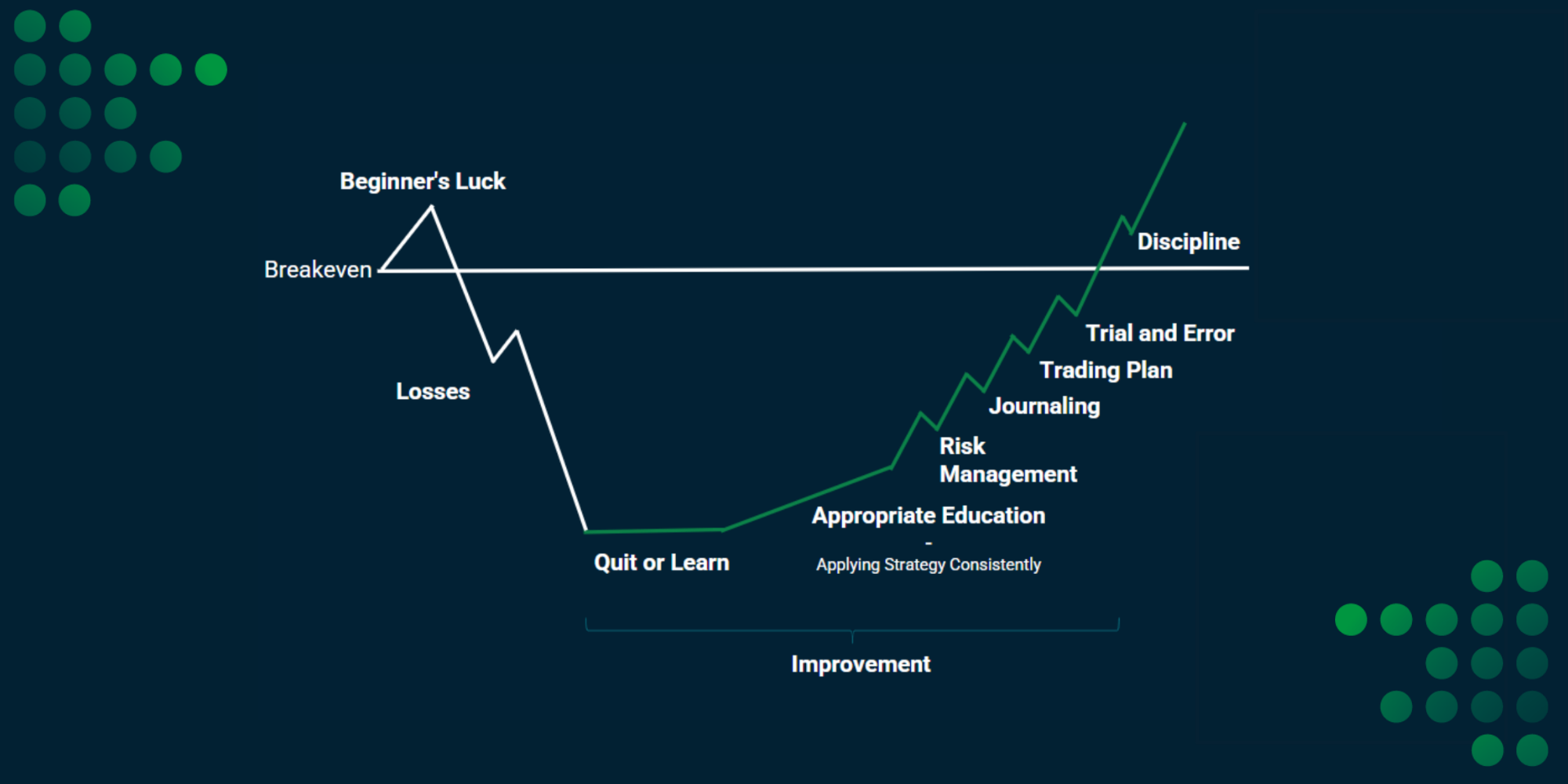
Embarking on a trading journey is akin to stepping into a world of uncertainty, opportunity, and challenge. It’s a path marked by highs and lows, victories and defeats, but ultimately, it’s a journey of growth and mastery. Let’s explore the stages of this journey, from the initial thrill of beginner’s luck to the disciplined consistency required for sustainable success.
Beginner's Luck: The Exciting Start
For many, the journey begins with a rush of excitement fuelled by beginner’s luck. The markets seem to respond favourably to initial trades, reinforcing a sense of confidence and invincibility. However, this euphoria can be misleading.
Reality Check: Overconfidence and Losses
The initial success often breeds overconfidence, leading to risky decisions fuelled more by emotion than sound strategy. Without sufficient experience, losses inevitably follow, serving as a harsh wake-up call.
Crossroads: Quit or Learn?
For many, the journey begins with a rush of excitement fuelled by beginner’s luck. The markets seem to respond favourably to initial trades, reinforcing a sense of confidence and invincibility. However, this euphoria can be misleading.
Beginner's Luck: The Exciting Start
Faced with adversity, traders reach a critical decision point: give up or commit to learning and improvement. Those who choose the latter set the stage for genuine progress.
Pursuit of Knowledge: Investing in Education
To navigate the complexities of the market, traders must invest in education. Learning how to apply a strategy consistently, especially over the long term, becomes paramount. This marks the beginning of a more deliberate and informed approach.
Embracing Risk Management
Armed with knowledge, traders learn the importance of risk management. Preserving capital becomes a priority, mitigating the impact of inevitable setbacks and losses.
The Power of Journaling
Keeping a trading journal emerges as a transformative practice. Documenting trades, analysing decisions, and reflecting on outcomes provide invaluable insights for improvement
Crafting a Trading Plan: Data over Emotion
Keeping a trading journal emerges as a transformative practice. Documenting trades, analysing decisions, and reflecting on outcomes provide invaluable insights for improvement
The Power of Journaling
With a focus on data-driven decision-making, traders establish robust trading plans. Emotions are set aside in favour of rationality, ensuring consistency and clarity in execution.
Trial and Error: Refining Strategies
Through a process of trial and error, traders refine their approach, identifying what works and what doesn’t. Each setback becomes an opportunity for learning and adaptation.
Discipline: The Key to Consistency
At the heart of success lies discipline. Staying true to the principles of risk management, journaling, and a well-defined trading plan, traders cultivate the consistency needed for long-term profitability.
Conclusion: The Journey of Improvement
The trading journey is a dynamic evolution, marked by growth, setbacks, and ultimately, mastery. From the initial allure of beginner’s luck to the disciplined consistency of seasoned professionals, every step is a lesson in resilience and adaptation. Through education, risk management, and unwavering discipline, traders transcend the pitfalls of overconfidence and emotion, emerging as proficient navigators of the financial markets. So, embrace the journey, for it is not merely a path to profits but a voyage of self-discovery and continual improvement.
FXC Academy: Your Partner for Success
At FXC Academy, we understand the challenges and complexities of the trading journey firsthand. That’s why we’re honoured to be a part of your journey, offering guidance, support, and expertise every step of the way. Our team is dedicated to providing comprehensive education, personalized mentorship, and a supportive community to help you achieve your trading goals. With our wealth of experience and commitment to excellence, we stand ready to empower you with the knowledge and tools needed to navigate the markets confidently and successfully. Together, let’s turn your trading aspirations into reality with FXC Academy by your side. Convince yourself and join our free Discord!
Managing Expectations in Forex Trading
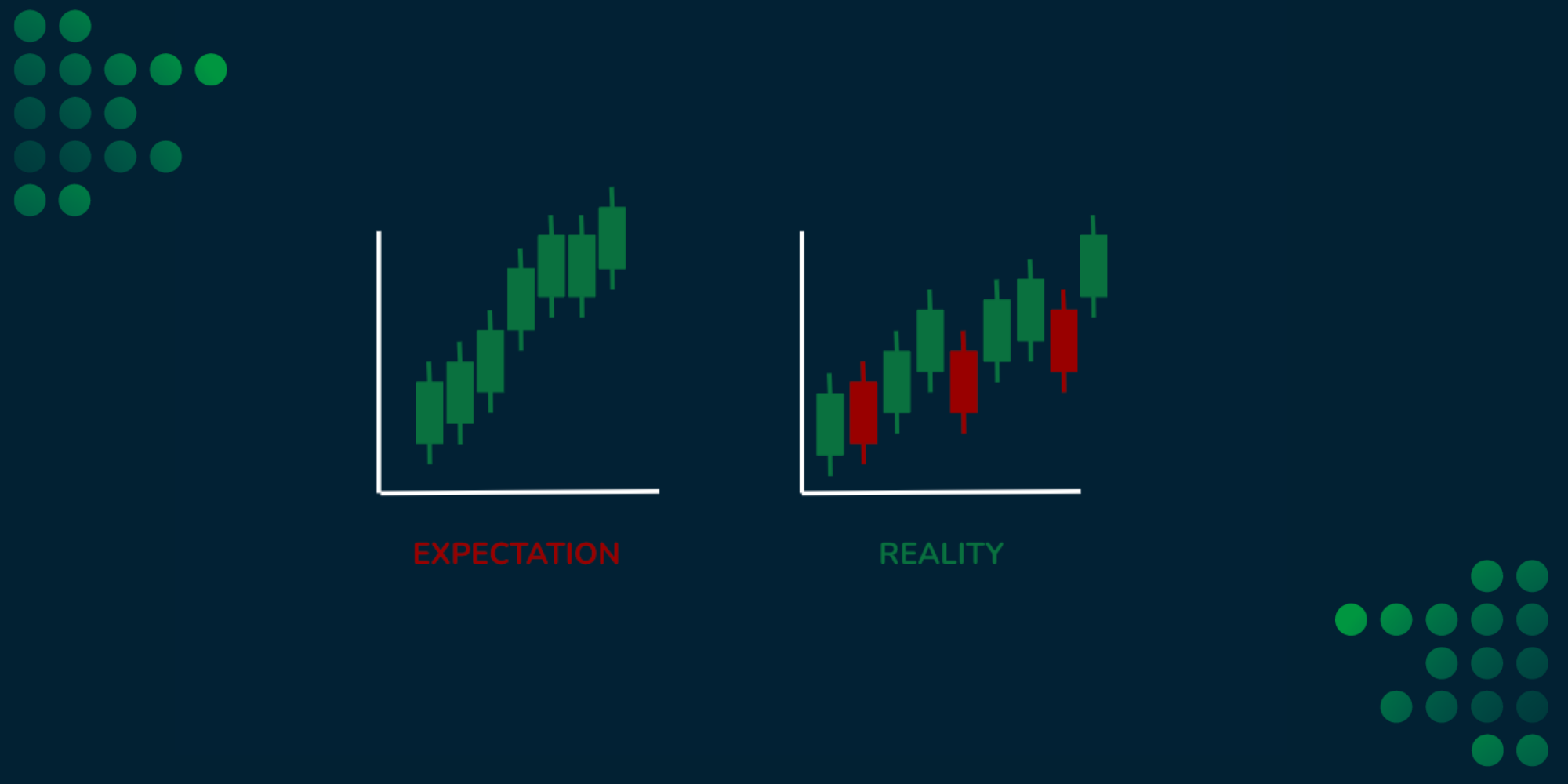
Embarking on a trading journey is similar to setting sail into a sea of opportunity and challenge. However, amidst the excitement and potential for profit, it’s crucial to anchor oneself in reality by managing expectations effectively. Let’s explore the key principles of expectation management in trading and how they can shape your path to success.
Setting Realistic Goals: The Foundation of Success
The importance of setting realistic goals cannot be overstated. While ambition is admirable, setting overly ambitious or unrealistic targets can lead to disappointment, frustration, and even reckless decision-making. When setting goals, consider factors such as your experience level, risk tolerance, and market conditions. The risk of not setting expectations right is not just financial; it’s psychological, undermining the trader’s ability to navigate the challenges of the market with resilience and composure. Aim for objectives that stretch your capabilities without setting you up for failure. Understanding the importance of setting realistic goals is the first step.
Short and Long Term Goals: Balancing the Horizon
Distinguish between short-term and long-term goals to provide clarity and direction to your trading journey. Short-term goals might include achieving a certain percentage return on investment within a month, while long-term goals could involve building a sustainable trading portfolio over the course of a year. For example, a short-term goal could be to consistently earn 1% profit per week, while a long-term goal might be to achieve an annualized return of 20%.
Regularly Reviewing and Adjusting Goals: Flexibility is Key
Goals are not set in stone. Regularly review and adjust your objectives based on changing market conditions, personal circumstances, and evolving aspirations. Establishing a routine for goal assessment and adjustment demonstrates discipline and adaptability, essential traits for success in trading.
Guidance from Experienced Traders
Seek guidance from experienced traders who have navigated the ups and downs of the market. At FCX Academy, our community of traders offers a wealth of knowledge, insights, and support to help you refine your approach and stay on track towards your goals. Learning from the experiences of others can provide valuable perspective and help you avoid common pitfalls. In our gold membership we help our traders to set goals in our one-to-one review.
Embracing Incremental Progress: Small Steps, Big Gains
In trading, as in life, progress often comes in increments. Celebrate small victories and recognize the power of consistent effort over time. Remember, trading is a marathon, not a sprint. Be patient with yourself and trust in the process of continuous improvement.
Understanding the Journey: Time and Patience
Just as mastery in any profession requires time and dedication, so too does success in trading. Embrace the journey with a mindset of patience and perseverance. Every setback is an opportunity to learn and grow, bringing you closer to your goals.
In conclusion, managing expectations in trading is a balancing act that requires foresight, flexibility, and resilience. By setting realistic goals, balancing short and long-term objectives, seeking guidance from experienced traders, and embracing incremental progress, you can chart a course towards sustainable success in the dynamic world of trading.
Daily Timeframe Benefits with 50 Cal Strategy at FXC Academy
In the dynamic world of forex trading, selecting the right time frame can significantly impact your trading success. At FXC Academy, we advocate for the use of the daily timeframe in conjunction with our proven 50 Cal Strategy. Let’s delve into the advantages of adopting the daily timeframe approach and how it can elevate your trading game.
More Time, More Focus
By utilizing the daily timeframe with the 50 Cal Strategy, traders gain the invaluable advantage of having more time and focus. With fewer trades needed to achieve profitable outcomes, traders can dedicate their attention to analyzing multiple streams of income. This enhanced flexibility allows for deeper market analysis and the exploration of diverse trading opportunities.
Reduced Stress
Embrace a calmer trading experience with the daily timeframe compared to shorter timeframes. Unlike the fast-paced environment of lower timeframes, the daily timeframe provides traders with a clearer and more structured approach to analysis. This reduction in pressure and stress allows traders to make more informed decisions and execute their trades with confidence.
Quality Over Quantity
With the 50 Cal Strategy, success is not measured by high trade volume but rather by the quality of setups and high-probability outcomes. By focusing on precision and accuracy rather than sheer volume, traders can avoid overtrading and maintain a disciplined approach to their trading strategy. This emphasis on quality over quantity ensures that every trade executed aligns with the overarching trading plan.
Discover the power of the daily timeframe and the 50 Cal Strategy with FXC Academy. Start trading smarter, not harder, by incorporating the daily timeframe into your trading strategy. Join our community today and unlock the keys to consistent profitability in the forex market!
FXC Academy Trading Strategy: 50cal
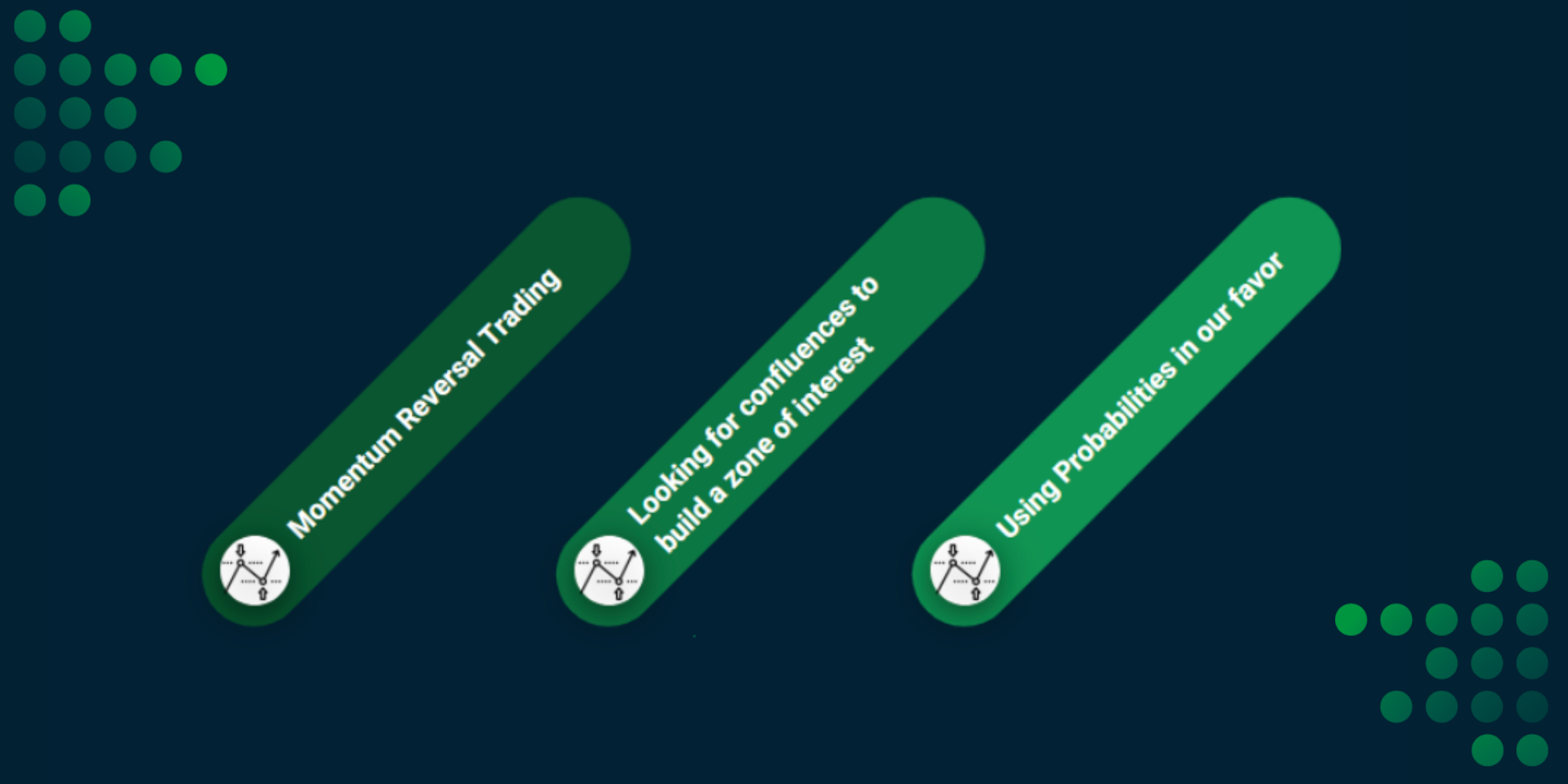
In the fast-paced world of trading, success often hinges on the adoption of robust strategies backed by meticulous analysis and informed decision-making. At FXC Academy, we’re committed to equipping traders with the tools and knowledge needed to navigate the complexities of the financial markets effectively. In this blog post, we’ll explore our approach to placing trades, focusing on three key pillars: momentum reversal, identifying confluences to establish zones of interest, and leveraging probabilities in our favor.
1. Momentum Reversal:
One of the cornerstone principles of our trading methodology is identifying momentum reversals in the market. Rather than blindly following trends, we seek opportunities where the prevailing momentum is likely to shift, presenting lucrative entry points. This approach allows us to capitalize on market inefficiencies and position ourselves ahead of potential price reversals.
To implement this strategy effectively, we utilize a combination of technical indicators, price action analysis, and fundamental assessment. By carefully monitoring key indicators such as moving averages, and trendlines, we aim to identify signs of exhaustion in the prevailing trend.
2. Building Zones of Interest through Confluence:
In addition to momentum reversal, we emphasize the importance of seeking confluences to establish zones of interest in the market. Rather than relying on a single indicator or analysis technique, we look for overlapping signals and patterns that reinforce our trading thesis. By combining multiple sources of information, we can create a more robust framework for decision-making and increase the reliability of our trade setups.
Confluences can take various forms, including the alignment of key support and resistance levels, Fibonacci retracement zones, timing, and trend channels. By identifying areas where multiple factors converge, we can pinpoint high-probability trading opportunitiess. This approach not only enhances the accuracy of our trades but also provides greater confidence in our trading decisions.
3. Leveraging Probabilities in Our Favor:
At FXC Academy, we recognize that trading is inherently probabilistic, and success is not guaranteed on any single trade. However, by consistently applying sound risk management principles and aligning our trades with favorable probabilities, we can tilt the odds in our favor over the long term.
To achieve this, we employ a disciplined approach to position sizing, setting stop-loss orders, and managing risk effectively. By limiting our exposure on each trade, we can mitigate potential losses and preserve capital in adverse market conditions. Additionally, we focus on maintaining a positive expectancy by ensuring that our average winning trades outweigh our average losing trades over time.
Conclusion:
At FXC Academy, our trading philosophy is grounded in a commitment to excellence, continuous learning, and disciplined execution. By embracing strategies centered around momentum reversal, confluence analysis, and probability-based trading, we empower traders to navigate the markets with confidence and precision. Whether you’re a novice trader or an experienced investor, our comprehensive approach provides a solid foundation for achieving long-term success in the dynamic world of financial markets. Join us on the journey to mastering the art and science of trading at FXC Academy.
FXC Academy Trading Strategy: Momentum, Confluence & Probability
Diving deep into the psychology of trading reveals a fascinating phenomenon: holding onto profits can often be tougher than weathering a drawdown. From our extensive experience, it’s evident that the challenge of holding onto profits is a common struggle among trading beginners. This observation has been underscored by our interactions with traders on the trading floor, where this issue has surfaced repeatedly. This collective experience has provided valuable insights into the psychological barriers that traders face when managing profitable positions.At FXC Academy, we understand the complexities of this issue and aim to unravel its intricacies together with our trading community.
The Challenge of Holding onto Profits
Many traders, especially beginners, grapple with the challenge of holding onto profits once they’ve entered a winning trade. This phenomenon stems from various psychological factors that impact decision-making in the trading process.
Emotional Impact: The Role of Hope and Fear
One of the primary reasons traders struggle to hold onto profits is the emotional impact of hope and fear. In a drawdown, traders may hold onto losing positions in the hope that prices will reverse, allowing them to break even. However, as soon as they enter a profitable position, fear sets in, leading them to prematurely take profits for fear of losing their gains.
Overconfidence: A Double-Edged Sword
Another common pitfall is overconfidence, particularly among traders on winning streaks. When experiencing success, traders may become overconfident in their abilities and decision-making, leading them to believe that they can weather any drawdown because they are “right” anyway. This overconfidence can cloud judgment and lead to impulsive decision-making.
The Impact on Decision-Making
Ultimately, emotional factors heavily influence traders’ decision-making processes, often leading to suboptimal outcomes. Recognizing and managing these emotions is essential for long-term success in trading.
Strategies for Managing Emotions
At FXC Academy, we provide our traders with practical strategies for managing emotions and holding onto profits. One such strategy is to hide the monetary amount in the trading platform and focus solely on pips. By removing the direct association with money, traders can reduce emotional attachment and make more rational decisions about when to exit trades.
Join FXC Academy and Navigate the Psychology of Trading
Join our community at FXC Academy and gain access to valuable insights, support, and resources to help you navigate the psychology of trading. Together, we can unravel the intricacies of holding onto profits and develop strategies to overcome emotional barriers to success. Don’t let psychological hurdles stand in the way of your trading journey—join FXC Academy today!
Mastering Confluences: Key to Forex Trading Zones of Interest
In the dynamic and ever-evolving world of forex trading, mastering the Zone of Interest can truly be a game-changer for traders seeking consistent success. Let’s explore the concept of Dynamic Confluences and how they play a pivotal role in identifying key trading opportunities within the Zone of Interest.
Understanding Dynamic Confluences
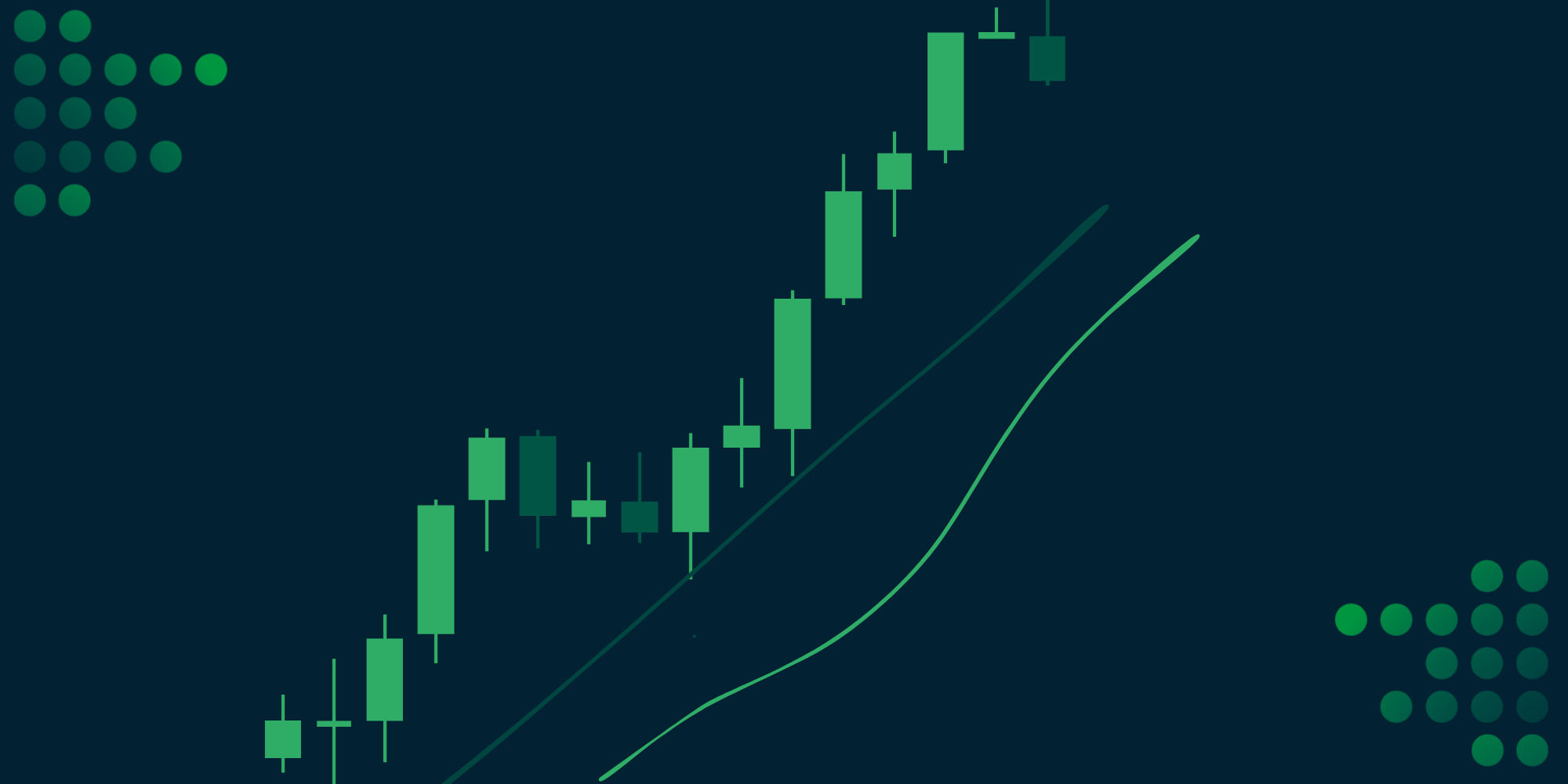
Dynamic Confluences are the constantly shifting factors within the forex market that intersect with price action, signaling potential entry or exit points for traders. These dynamic factors include moving averages, trend channels, Ichimoku clouds, and more. Unlike static support and resistance levels, dynamic confluences adapt to changes in market conditions, providing traders with real-time insights into market dynamics.
The Dynamics of Trendlines
One of the primary dynamic confluences used by traders is trendlines. Trendlines can be upward sloping, defined by higher highs and higher lows, or downward sloping, defined by lower lows and lower highs. Traders often focus on the third touch of a trendline as a significant confluence for their Zone of Interest.
Utilizing Moving Averages
Moving averages are another essential dynamic confluence utilized by traders. There are two main types of moving averages:
SMA is calculated by taking the closing price of each candle divided by the timeframe being analyzed. For example, a 10-period SMA on a daily chart would involve adding up the closing prices of the last 10 days and dividing by 10.
Exponential Moving Average (EMA)
EMA places more emphasis on recent price action compared to SMA. It is calculated using a more complex formula that gives greater weight to the most recent data points. This makes EMA more responsive to recent price changes, making it particularly useful for traders seeking to capitalize on short-term trends.
Mastering Dynamic Confluences for Success
Mastering dynamic confluences is essential for identifying high-probability trading opportunities within the Zone of Interest. By staying attuned to these constantly evolving factors and leveraging real-time insights from our community of traders, you can enhance your trading skills and achieve consistent success in the dynamic world of forex trading.
Join FXC Academy Today!
Join FXC Academy today and unlock the secrets to mastering dynamic confluences in forex trading! Our comprehensive resources and supportive community are here to help you navigate the complexities of the forex market and achieve your trading goals. Don’t miss out on the opportunity to elevate your trading game—join FXC Academy now!

Mastering Forex Timing with FXC Academy’s 50Cal Strategy
Timing is everything in forex trading, and with the 50Cal Strategy from FXC Academy, traders have a powerful framework for optimizing their timing to maximize success and minimize risk. Let’s explore why timing is crucial and how traders can leverage the Zone of Interest to their advantage.
Timing: Crucial for Success!
Timing: Crucial for Success!
In forex trading, timing is not just about when to enter or exit a trade; it’s about waiting for the perfect alignment of confluences within the Zone of Interest. By exercising patience and discipline, traders can increase their chances of success while reducing their exposure to risk.
Timing can occur at various times throughout the trading day, such as 9 am, 1 pm, or 4 pm, coinciding with the crossover of multiple market sessions. For example, the London session opens in the morning and the New York session opening in the afternoon, according to the UK time zone. During these times, more traders enter the market, leading to increased volume and liquidity.
For traders using the 50Cal Strategy, this increased activity presents an opportunity for profit-taking. Traders who are in a position may choose to take their profits, leading to a reversal in price direction. As they close their buy positions, they must open counter positions by selling, resulting in more selling orders than buying orders. This imbalance in supply and demand can lead to a reversal in price, allowing traders to capitalize on market movements.
Conclusion
In conclusion, timing plays a crucial role in forex trading, and the 50Cal Strategy provides traders with the tools and knowledge to master this aspect of trading. By waiting for confluences to align within the Zone of Interest and leveraging real-time insights from our community, traders can enhance their timing skills and achieve consistent success in the forex market. Join FXC Academy today and unlock the secrets to mastering timing in forex trading! 🚀
Chat Access: Real-Time Insights from Experienced Traders
Joining our community of traders provides invaluable opportunities to learn how to identify and capitalize on the Zone of Interest in real-time. Gain insights, analysis, and support from experienced traders who understand the importance of timing in forex trading.